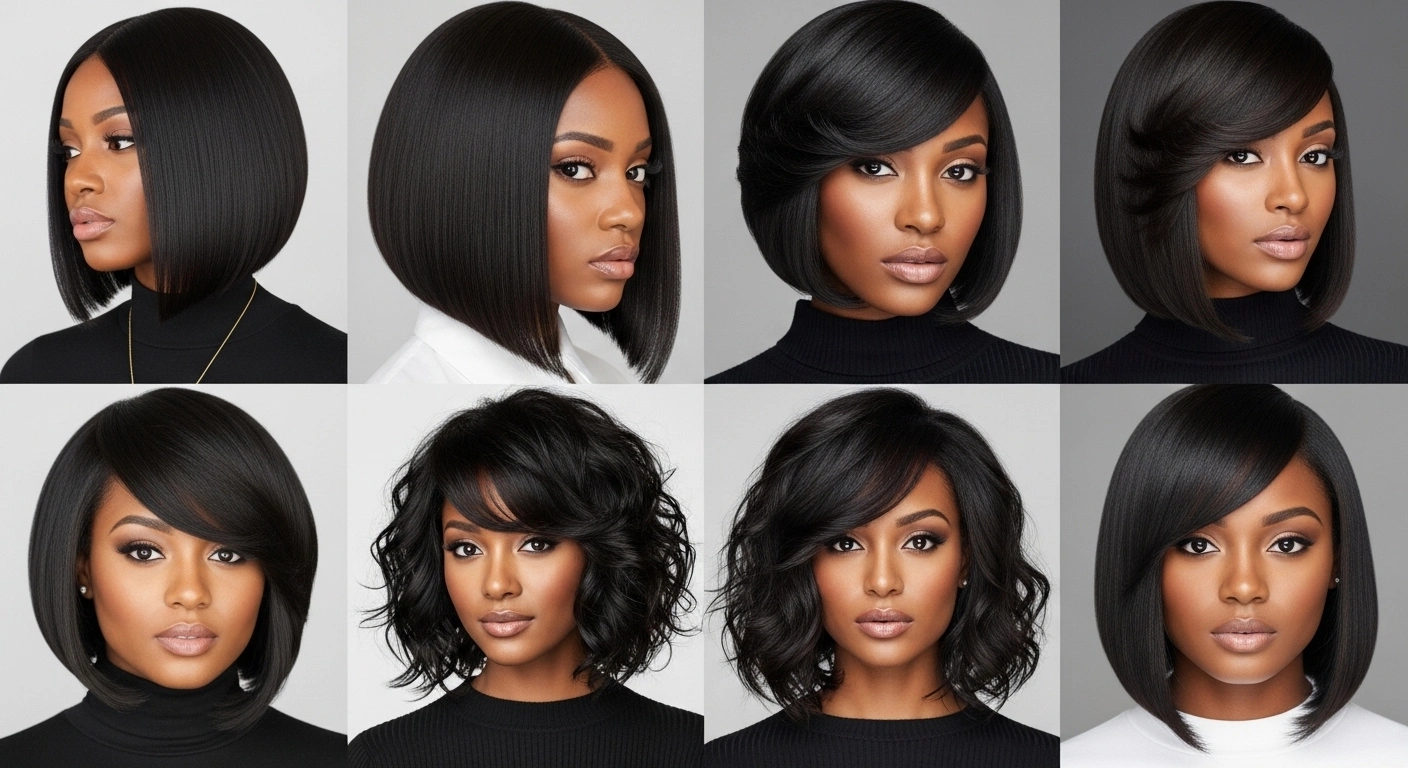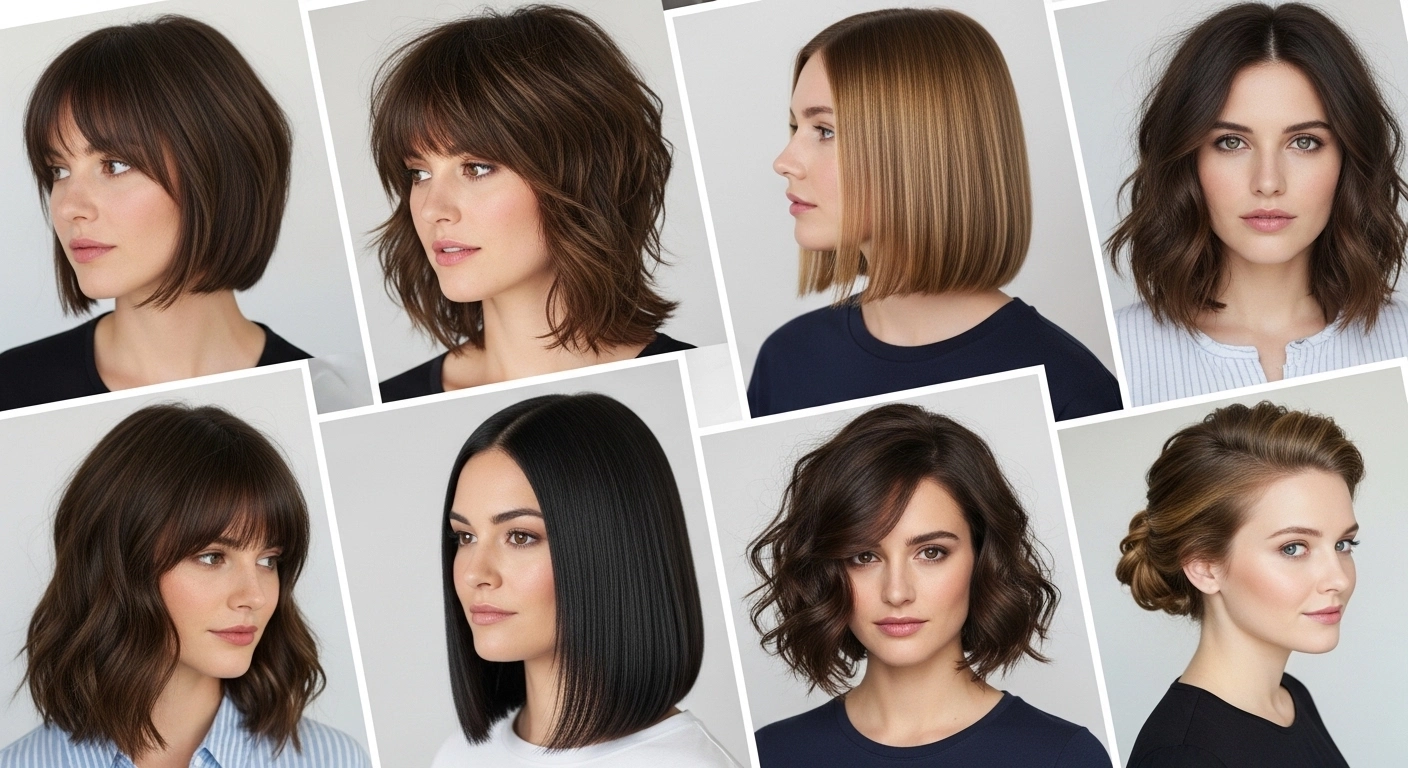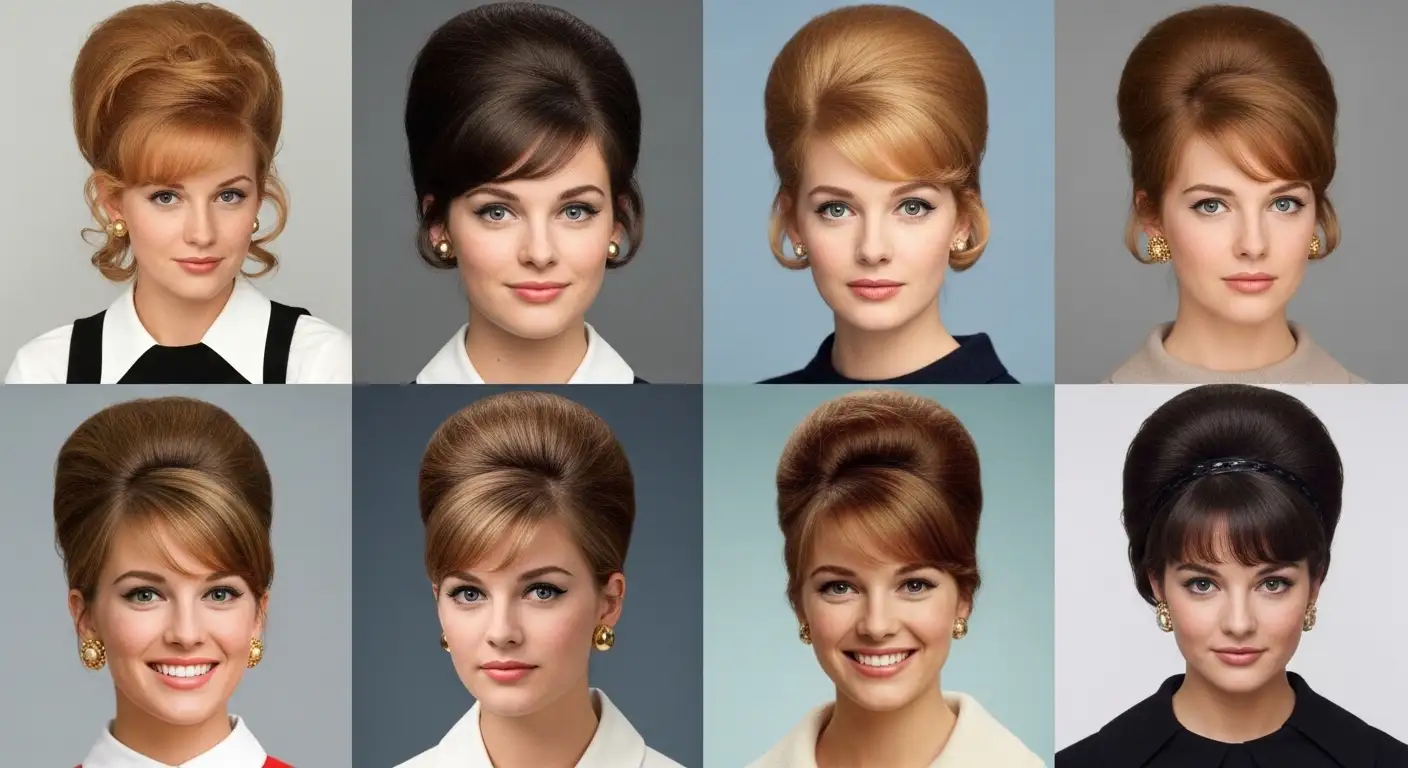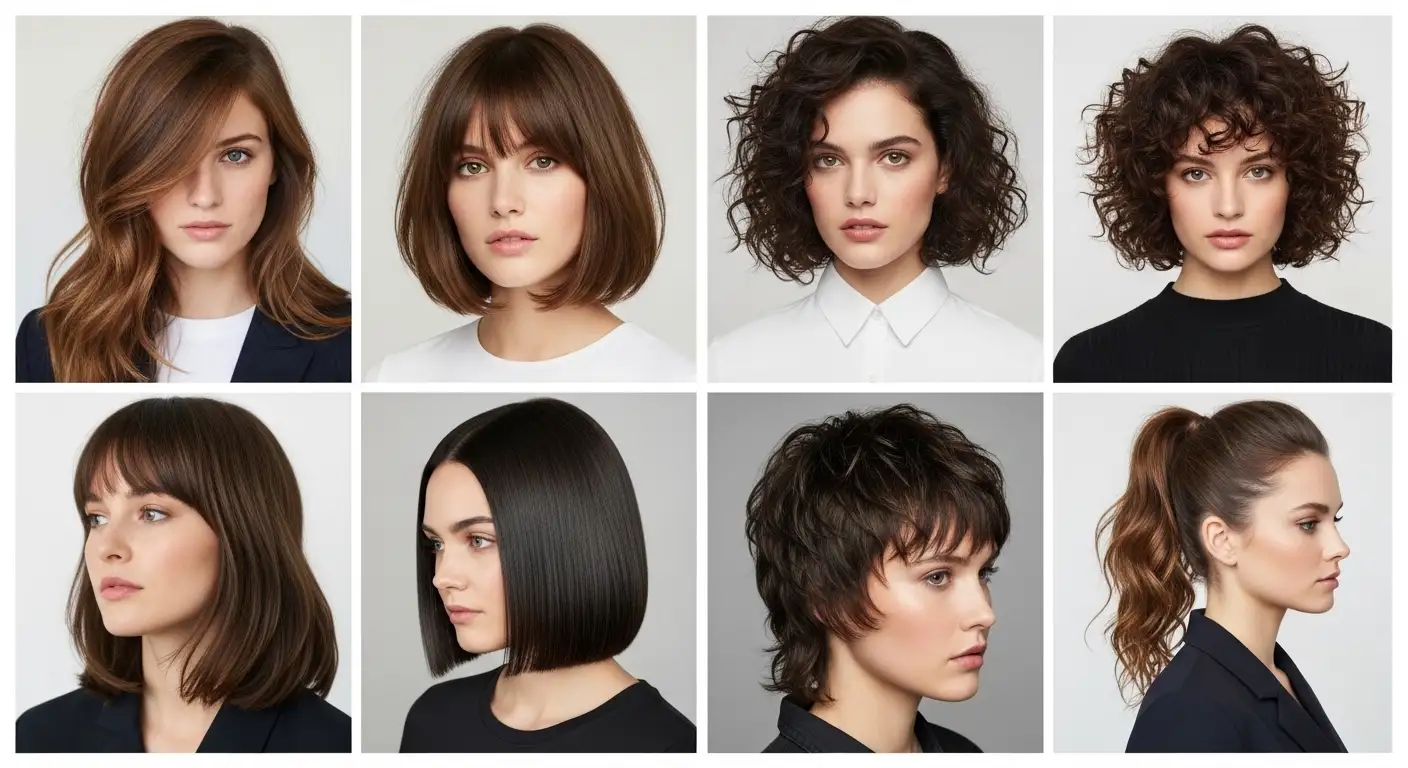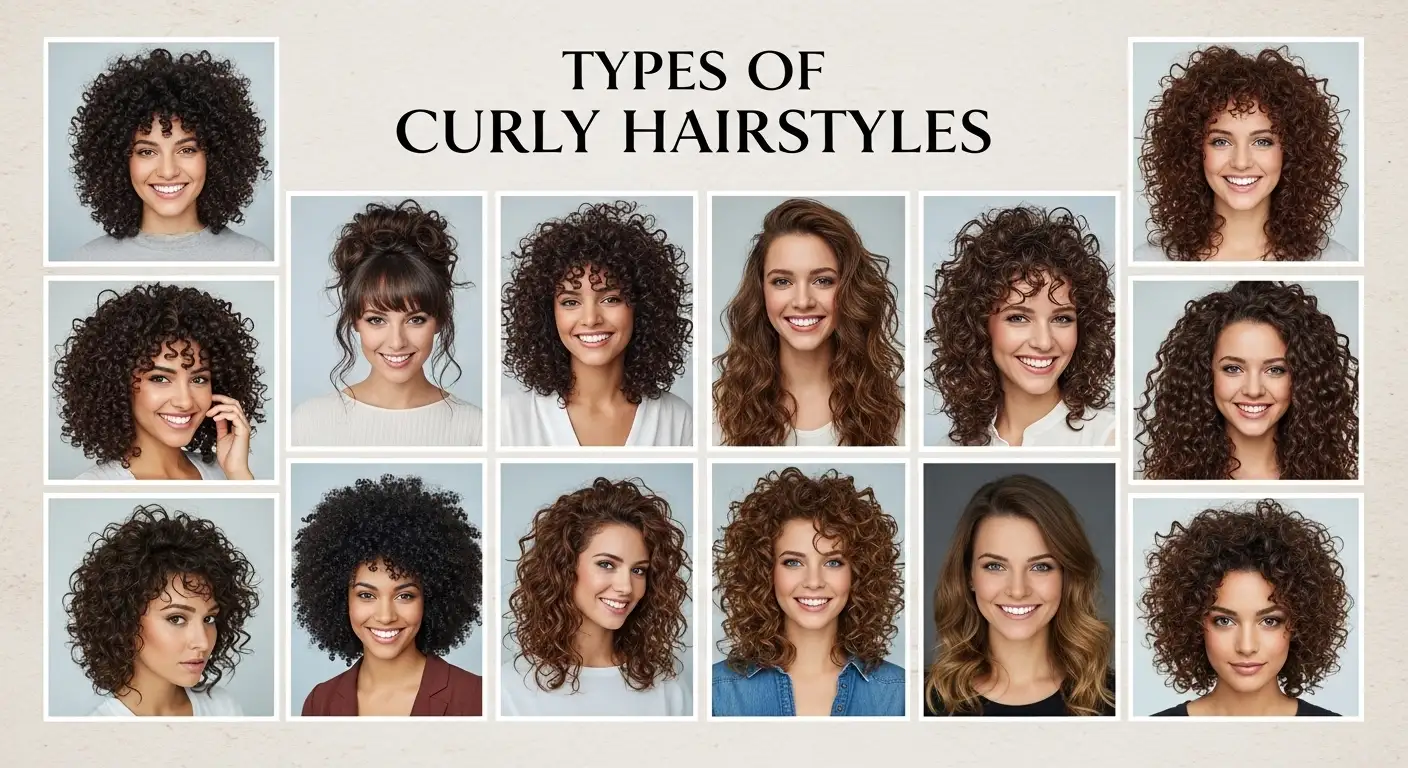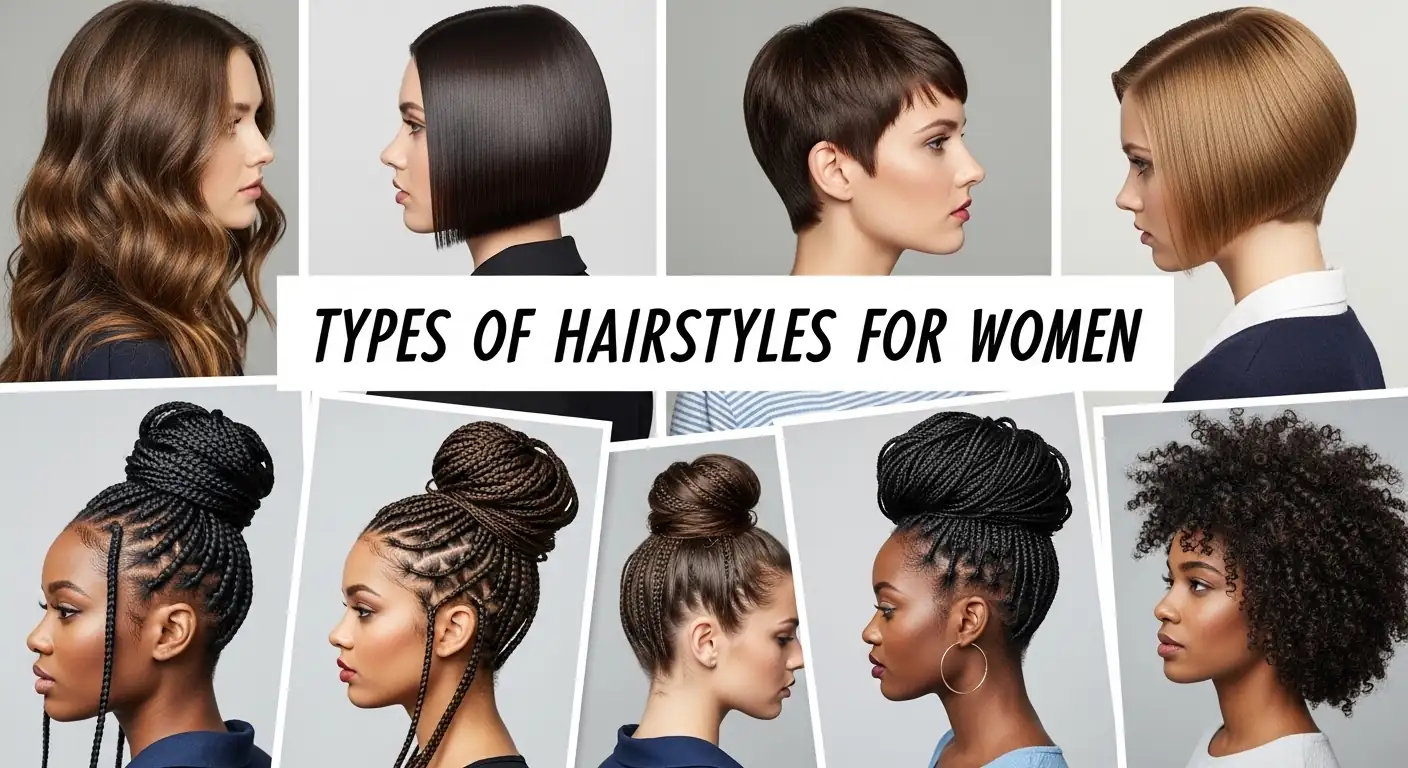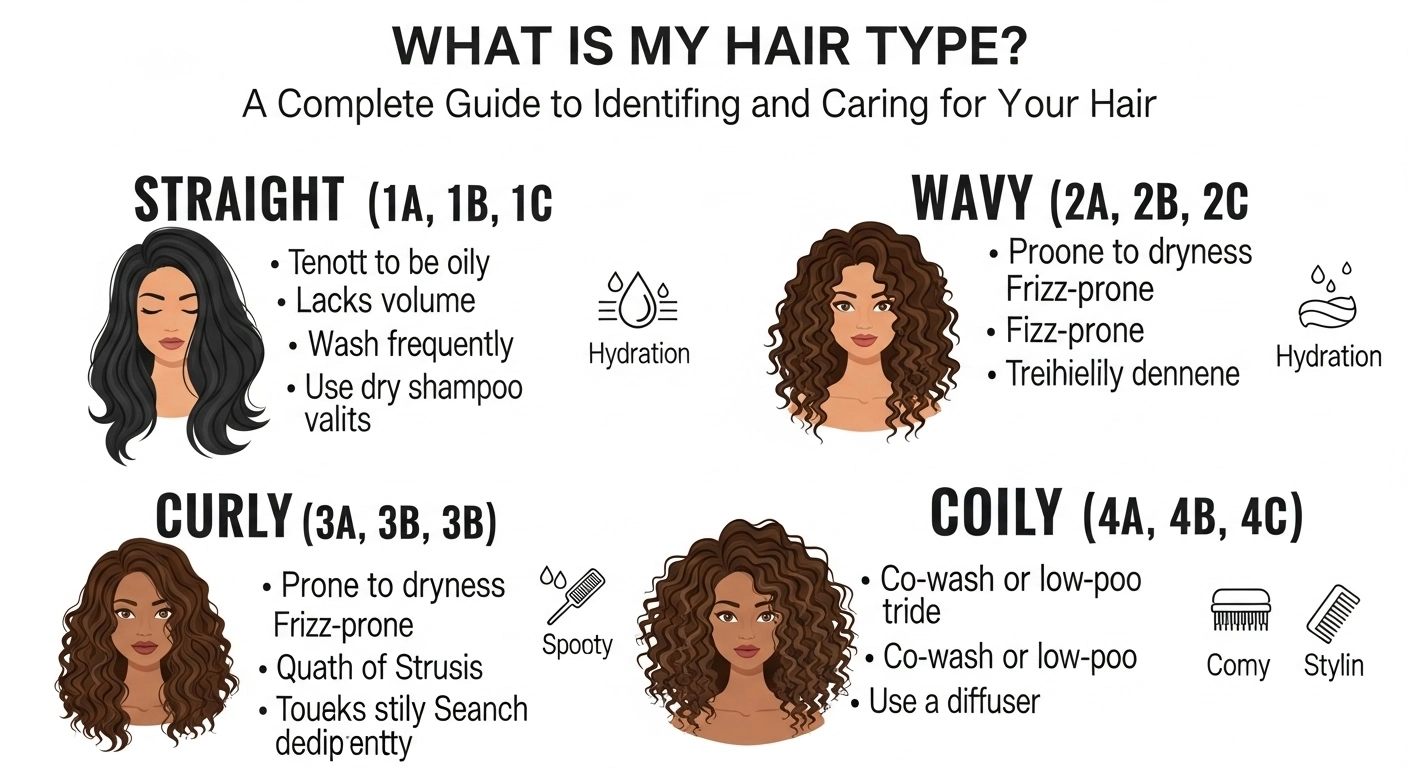

In this blog, we will guide you on how to determine your hair type and explain how to maintain it. Whether you have straight hair that requires volume, wavy hair that wants definition, curly hair that requires moisture, or coily hair that needs extra TLC, this blog will give you the lowdown on each.
And, we will also talk about how texture and scalp condition dictate how you should care for your hair. Hair care can be overwhelming, particularly when you are attempting to determine my Hair Type.
Understanding your hair type is essential in determining the correct product, styling methods, and treatment to make your hair appear at its best.
Each person has a distinct texture and pattern, either straight, wavy hair , curly, or coily. Knowing what makes your hair distinct from others is the starting point for a more efficient hair care routine.
For example, curly hairs may require extra moisture and protection, but straight hair could do with volume-enhancing products.
Knowing what your specific hair type needs will enable you to pick the most suitable treatments, haircuts, and styles, so your hairs look fabulous and healthy every day.
1. How to Determine Your Hair Type?
In order to identify your hair type, it is ideal to begin by allowing your hair to naturally dry on its own. Don’t use any products or heat styling tools when doing this.
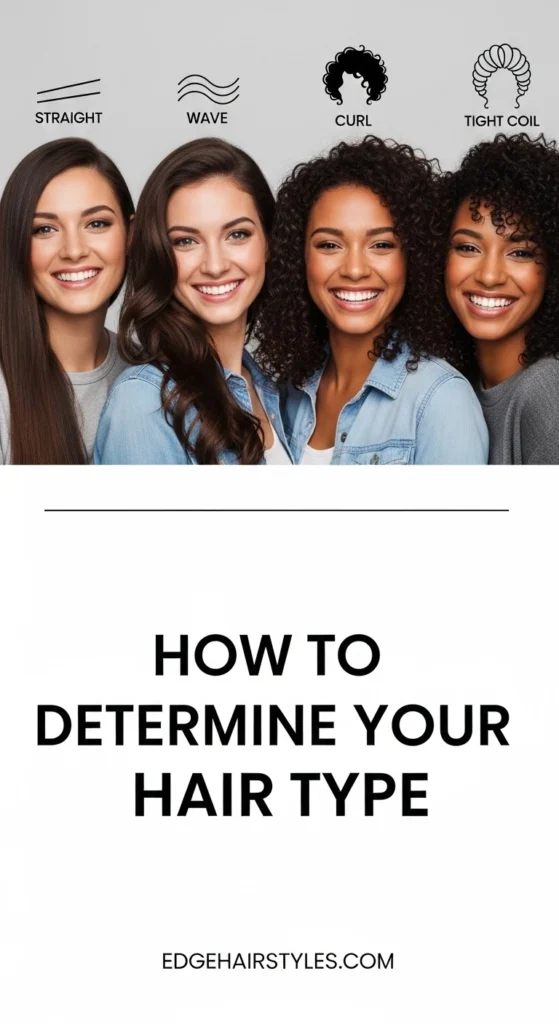
Just shampoo your hair using your regular shampoo and conditioner, and then lightly towel dry it and allow it to dry naturally. After your hair is completely dry, pay attention to its characteristics.
- Straight Hair (Type 1): When your hair dries level without bends or curls, you have straight hair. Type 1 hair lies flat on the scalp, providing a sleek, smooth appearance with no natural wave or curl.
- Wavy Hair (Type 2): Wavy hair bends slightly or has an “S” shape when it air-dries. It’s more voluminous than straight hair and provides a natural bounce. It’s not as curly as Type 3 but still possesses some texture.
- Curly Hair (Type 3): Curly hair will create well-defined loops or curls. It can be loose beach waves or tight spirals. If your hair dries in curls, then you probably have Type 3 hair. Curly hair has a lot of volume and bounce.
- Coily Hair (Type 4): Coily hair consists of tight, dense spirals or curls. This texture is highly defined and tends to need additional moisture and TLC.
- If your hair creates tight coils or small, well-defined curls, then you probably have Type 4 hair. This types of hairstyles will shrink quite a bit when dry, which provides it with a lot of volume and body.
Learning these types will enable you to determine where your hair belongs. But then, there are other determinants, such as hair texture and scalp type.
2. Hair Type Breakdown
Here’s a more detailed breakdown of the various hair types so you can determine exactly where your hair belongs.
- Type 1 (Straight Hair): Type 1 hair is the straightest of all. It lies flat from roots to ends and does not curl or wave naturally. If you possess this hair type,
- your biggest issues might be controlling oil and giving volume to avoid flatness. Straight hair is prone to being greasy and shiny, so it might need washing a lot.
- Type 2 (Wavy Hair): Wavy hair is midway between straight and curly. This category features a faint “S” or wave pattern and tends to be more textured than straight hair.
- Wavy hair can range from little to a lot of waves, from light waves to deeper, more pronounced waves. This type of texture looks lovely when styled, but it might require special care to avoid frizzing and maximize the waves.
- Type 3 (Curly Hair): Curly hair is characterized by close, springy curls or spirals. It ranges from loose waves to close ringlets. If you have curly hair,
- you will probably find it difficult to manage frizz, but it can be created in cool, bulky styles. Curly hairstyle will require more moisture since it can become dehydrated and brittle if left unattended.
- Type 4 (Coily Hair): Coily hair is tightly wrapped into small coils or curls. This hair is dense and usually more brittle than the rest. It requires moisture and protective styling in order to maintain its health. Coily hair also shrinks a lot when it dries, hence looking much shorter than it is.
Each of these types requires different types of care, products, and routines. Knowing which category your hair falls into will help you choose the right approach for maintaining its health and appearance.
3. Subtypes of Hair Types
Every hair type (with the exception of Type 1, which is normally more one-dimensional) has three subtypes. These subtypes give a more detailed description of the texture,
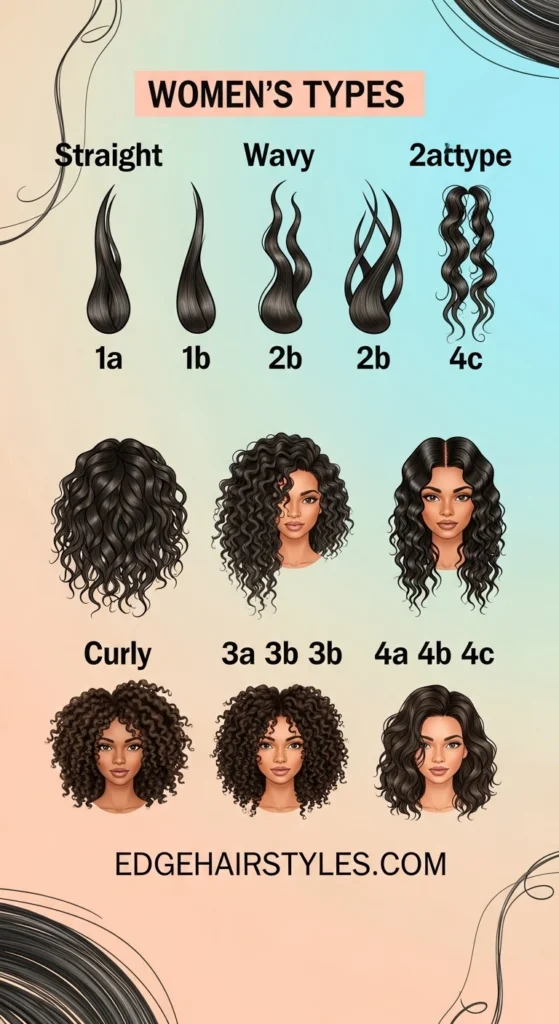
curl pattern, and how your hair responds to products. Let’s discuss these subtypes in further detail.
Type 2 (Wavy Hair) Subtypes:
- Type 2A: Slightly loose, almost invisible waves. It’s normally fine and light with little frizz.
- Type 2B: Slightly more structured waves that can be prone to some frizz and need a little extra attention.
- Type 2C: Voluminous, thick waves that might look like loose curls. They are very prone to frizz and require definition styling products.
Type 3 (Curly Hair) Subtypes:
- Type 3A: Loose, very big curls that are shiny and springy.
- Type 3B: Close, bountiful curls with a little extra frizz.
- Type 3C: Extremely close curls or corkscrew curls with increased volume and denseness.
Type 4 (Coily Hair) Subtypes:
- Type 4A: Soft, defined curls that form a loose “S” shape.
- Type 4B: Z-shaped curls that are closer together and denser.
- Type 4C: Very tightly, brittle curls or coils that need a lot of moisture and tender loving care.
These subtypes enable a more precise description of your hair and facilitate the adaptation of hair care practices more specifically to your texture.
Knowing if you are a Type 2A or a Type 3C will enable you to select proper styling products and maintenance practice.
4. Texture: Fine, Medium, and Coarse Hair
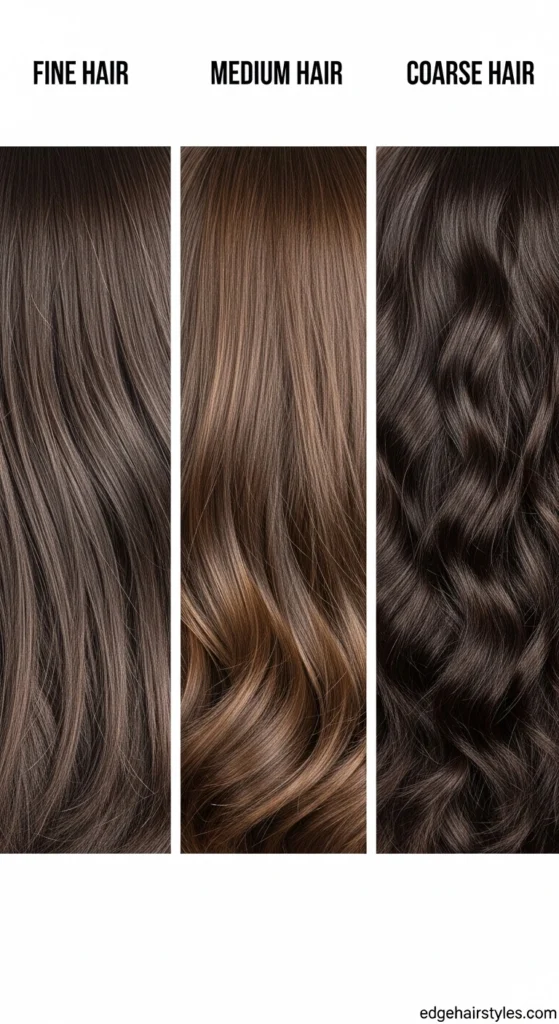
Texture is the thickness of an individual hair strand. You may have fine, medium, or coarse hair. Knowing your hair texture will enable you to choose products and styling techniques that suit you best.
Fine Hair:
Fine hair is silky and more susceptible to damage. It can appear limp or flat if not coiffed correctly. Fine hair becomes greasy quicker than most hair, so you may need to wash it more frequently. Use light products to prevent weighing it down.
Medium Hair:
Medium-textured hair finds a middle ground between being too thin and too thick. It can be held up by styles and is overall more versatile than fine hair. Medium hair may have natural bounce or wave but might not be able to hold curls as long as coarse hair.
Coarse Hair:
Coarse hair is stronger and thicker than fine hair. Although it’s less prone to break, it may also be more difficult to manage. Coarse hair needs moisturizing products so that it doesn’t become dry, but can hold curls and volume better than fine hair.
5. Scalp Type Considerations
Your scalp’s health has a great deal to do with how your hair acts. There are three general scalp types: oily, dry, and normal.
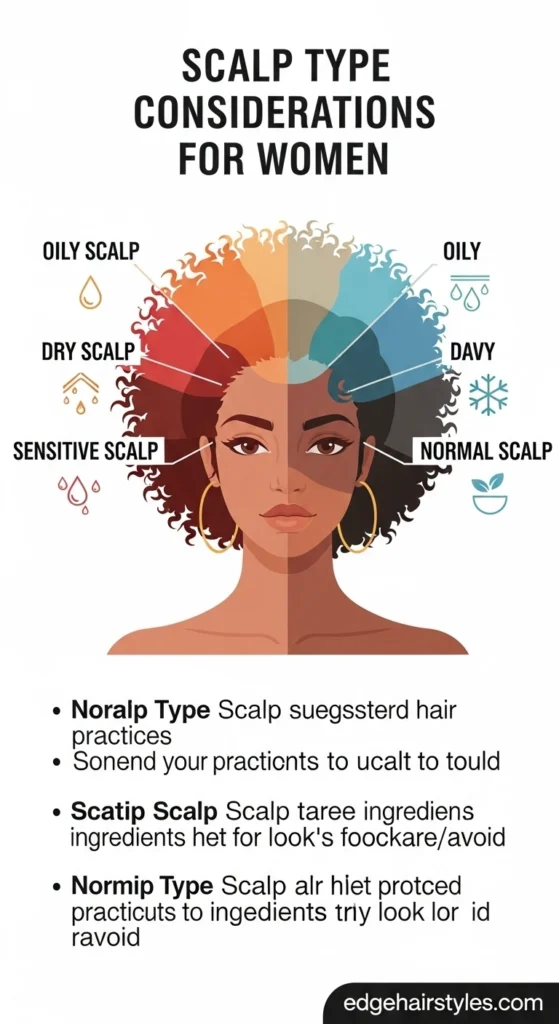
Each scalp type has its influence on how your hair reacts to products, how frequently you should wash it, and what kind of treatments you might require.
- Oily Scalp: If your scalp has an overproduction of oil, your hair will become oily in a short time. Individuals with oily scalps might have to wash their hair every other day or even daily and use light, clarifying shampoos.
- Dry Scalp: A dry scalp can cause itchiness and flakes. It can result in brittle, dull hair. Individuals with dry scalps should consider moisturizing shampoos, conditioners, and leave-in treatments.
- Normal Scalp: If your scalp is in balance, your hair tends to feel relaxed and healthy-looking. Individuals with normal scalps do not have to be concerned about oiliness or dryness.
Conclusion
Identifying your hair type and texture is a key step in developing a personalized hair care regimen. It will help you make intelligent choices regarding the products, treatments, and techniques that will suit you best.
Whether you have straight, wavy, curly, or coily hair, knowing your specific hair features will enable you to nurture it to its maximum potential.
Understanding your hair type also assists in selecting the ideal hairstyles for women that complement your natural texture.
The aim is to enhance and accept your natural beauty instead of struggling against it. Keep trying different styles and methods until you identify what best suits your individual hair.
FAQs:
1. How do I know whether I have curly hair or wavy hair?
If your hair curls into loose curls or loops as it dries, you have curly hair (Type 3). If it has a soft “S” shape or wave, you have wavy hair (Type 2).
2. How do I take care of my fine hair?
Use light products and skip heavy conditioners. Experiment with volumizing shampoos to give your fine hair a lift.
3. What is the best shampoo for curly hair?
Use moisturizing shampoos and conditioners, especially those formulated for curly hair. Steer clear of sulfates, which can dry out curls.
4. How frequently should I get my hair trimmed?
Trim your hair every 6-8 weeks to maintain its health, avoid split ends and hold your cut in place.
5. Can I change my hair type?
Although you can’t alter your natural hair type, you can try out various styles, cuts and treatments to add to your hair’s natural texture.